
How CNAs Can Champion Intergenerational Connection on the Floor
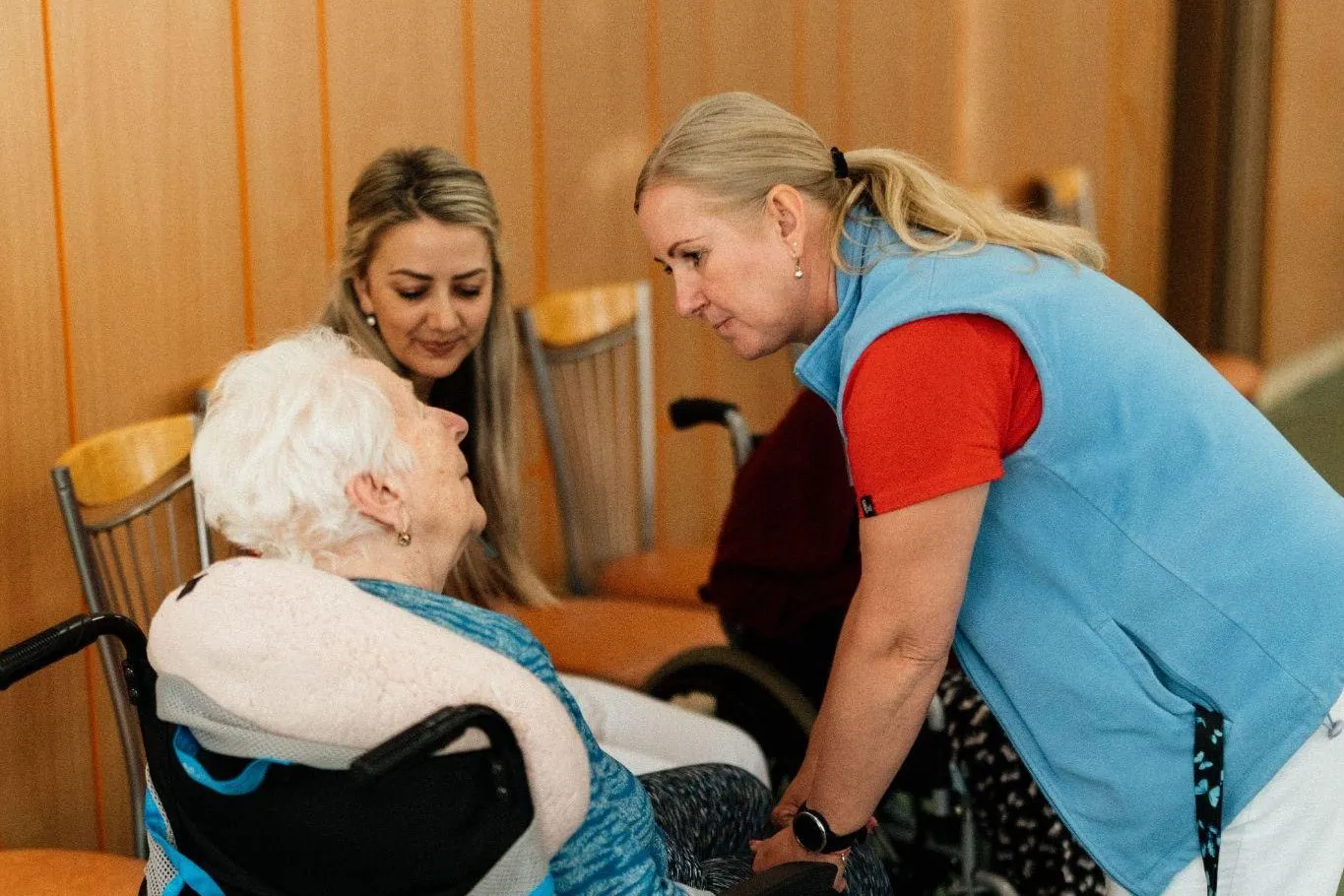
Certified Nursing Assistants (CNAs) are the heartbeat of daily care in senior living facilities. Spending more direct time with residents than almost any other staff member, CNAs see the quiet moments, the longing for family, and the spark that lights up a resident’s face when a child walks into the room.
Because of this unique position, CNAs are perfectly placed to encourage spontaneous, heartwarming connections between older adults and young visitors. Fostering these intergenerational moments does not require complex programs or extra work. By applying person-centered care principles, CNAs can weave meaningful connections directly into their everyday routines.
Why intergenerational moments matter on the floor
Research from PHI (Paraprofessional Healthcare Institute) emphasizes that quality direct care relies on person-centered relationships. When residents engage with younger generations, the benefits are immediate. Younger visitors bring energy and curiosity, while residents gain a sense of purpose, joy, and reduced feelings of isolation.
For CNAs, helping facilitate these moments can make daily shifts more rewarding. Seeing a resident smile, talk, or light up creates a lighter, happier atmosphere for everyone on the floor.
Low-effort ways to invite connection during daily routines
You do not need to pause your duties to create intergenerational magic. Below are simple, practical ways to encourage connection while keeping your daily tasks on track.
Notice Shared Interests: As you get to know your residents, you learn about their past careers, hobbies, and families. Use that knowledge when children or young volunteers visit the floor. A quick introduction can start a sweet conversation. You might say to a young visitor, “Did you know Mr. ABC used to be a science teacher? He loves talking about space.” This small bridge gives both the child and the resident an easy starting point.
Turn Routine Tasks into Shared Activities: Simple daily actions can easily include a young helper without slowing you down. If you are delivering mail, watering hallway plants, or setting up a common area, invite a visiting child to join in. Asking a youngster, “Would you like to help me hand Mrs. Lee her morning newspaper?” creates a natural moment of pride for the child and warmth for the resident.
Create Space for Informal Storytelling: Children naturally ask questions, and residents often love sharing wisdom. When you see a young visitor nearby while assisting a resident in a common space, spark a lighthearted question. Try asking the resident a fun question out loud, like, “What was your favorite game to play when you were ten years old?” This often inspires residents to share childhood memories, giving young visitors a fascinating glimpse into the past.
Encourage Gentle Art and Display Projects: Keep a small stash of coloring sheets, stickers, or craft paper near the nurse’s station or common areas. When children visit, invite them to draw a quick picture or write a note for a resident. Displaying these drawings on resident door frames or bulletin boards creates ongoing conversations during your shift. Handing a crayon to a visiting child and saying, “Would you like to make a card for Miss Helen’s room?” takes seconds, but the joy lasts for days.
Use Music as a Universal Bridge: Music cuts across all age gaps. If you play background music in a common area during your care routine, select songs that appeal to both young and old. Children love to move, and residents often love watching kids dance or tapping their toes to an upbeat tune. Simply turning up a catchy classic song can instantly transform a quiet hallway into a shared celebration.
Quick ideas that fit into any shift
When time is limited, rely on quick sensory interactions that bring young visitors and residents together effortlessly:
- Show and Tell: Encourage visiting grandchildren to bring a favorite toy, school art project, or pet photo to show residents during hall walks.
- Pass the Balloon: A light, soft balloon tossed gently back and forth in a lounge area requires minimal supervision and creates instant laughter.
- Story Corner: Set up a small basket of children’s books in the main seating area so young visitors can sit beside residents and look through picture books together.
- High-Five Line: Encourage visiting kids to give high-fives or gentle waves to residents as they walk down the hallway.
Small efforts, lasting impact
CNAs manage heavy workloads every day, and adding new responsibilities is rarely realistic. The beauty of championing intergenerational connection is that it is not about adding more tasks to your schedule. It is about shifting how you view the ordinary moments already happening on your floor.
When you help a child and a resident share a smile, a story, or a high-five, you are delivering powerful person-centered care. You are not just supporting physical health, you are nurturing the human spirit. Through small, everyday actions, CNAs prove that connecting generations is one of the most meaningful parts of direct care.